
77% of athletes are afraid of re-injury if they return to their sport
Female Athletes are 8 Times more likely to tear their ACL
20%-50% of athletes tear their meniscus post ACL injury
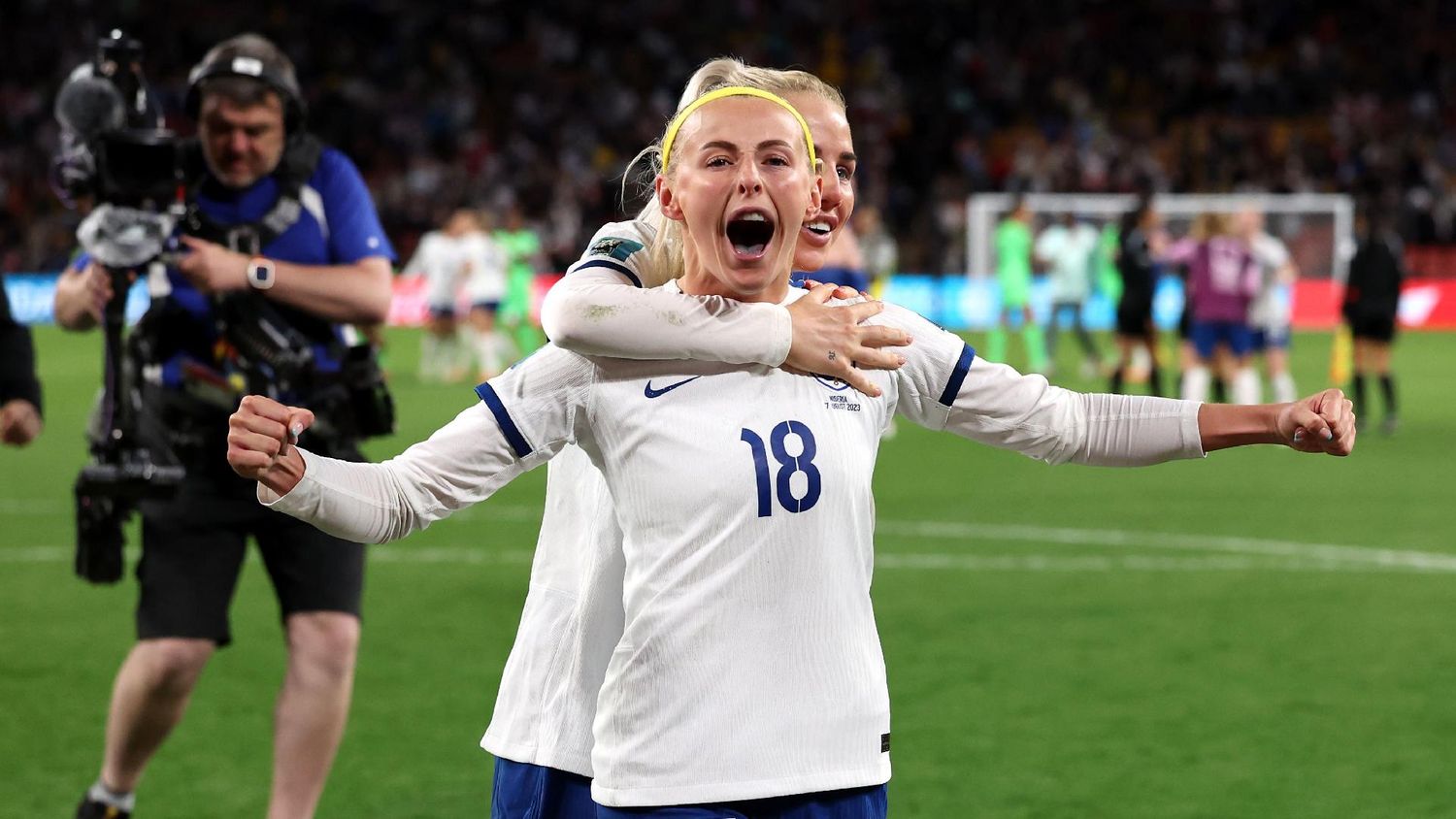
2 in 3 athletes did not return to sports due to psychological factors
In the U.S ACL Injuries account for 200,000 injuries
65% of athletes return to their pre-injury level of sports
Recovery time post ACLR is typically 9-18 months
1 in 19 female soccer players tear their ACL
What Is It?
ACL Injuries
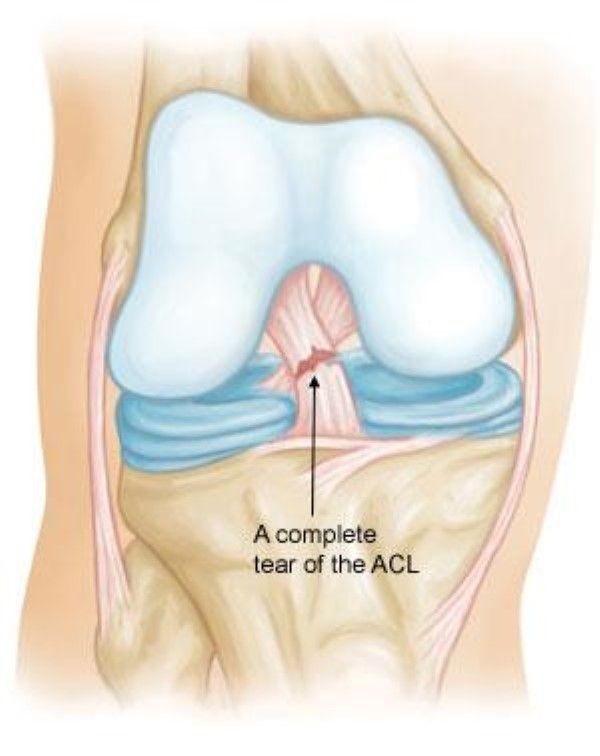
The ACL (anterior cruciate ligament) is a small rubber band like ligament inside your knee that connects your thigh bone (femur) to your shinbone (tibia). It helps prevent your knee from shifting forward.
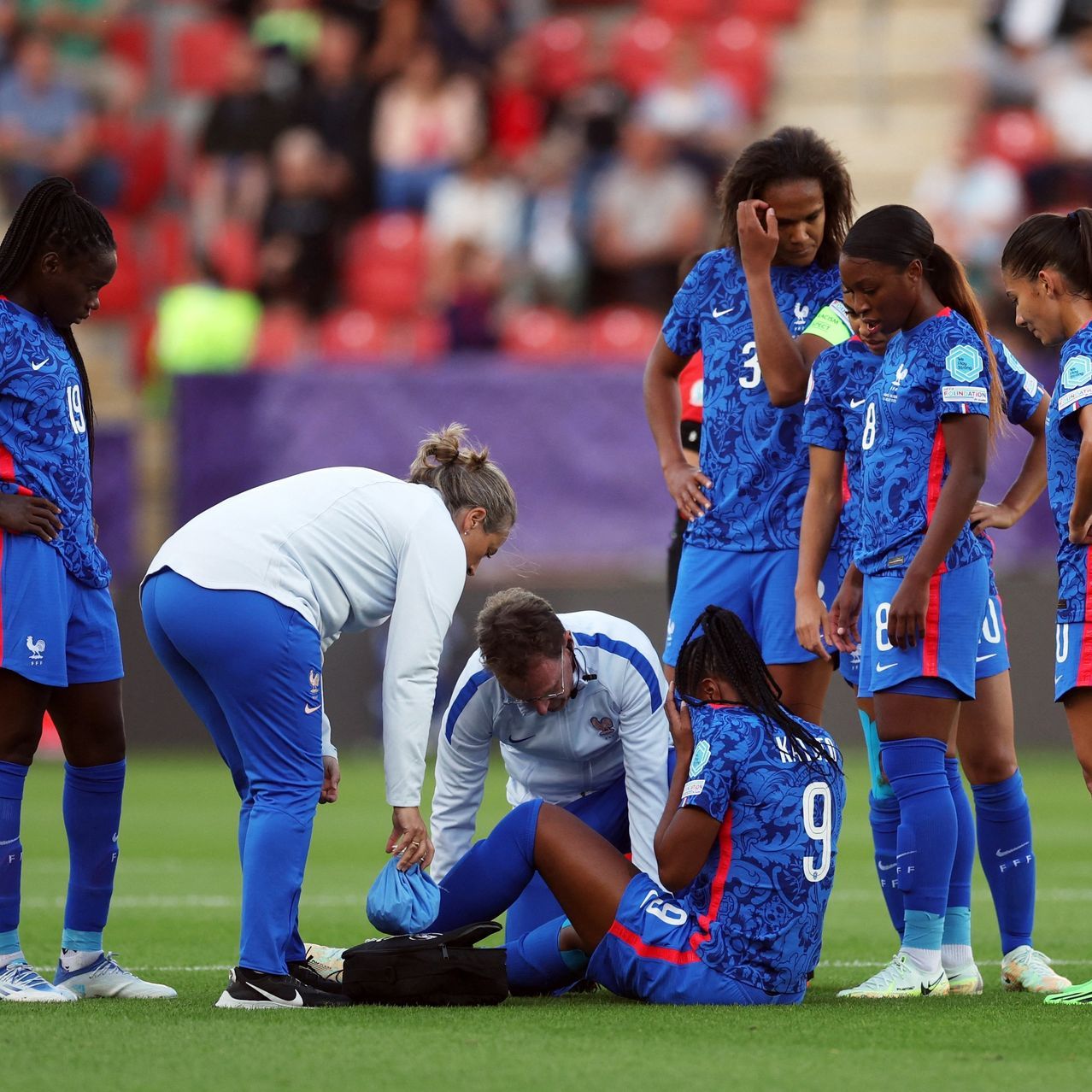
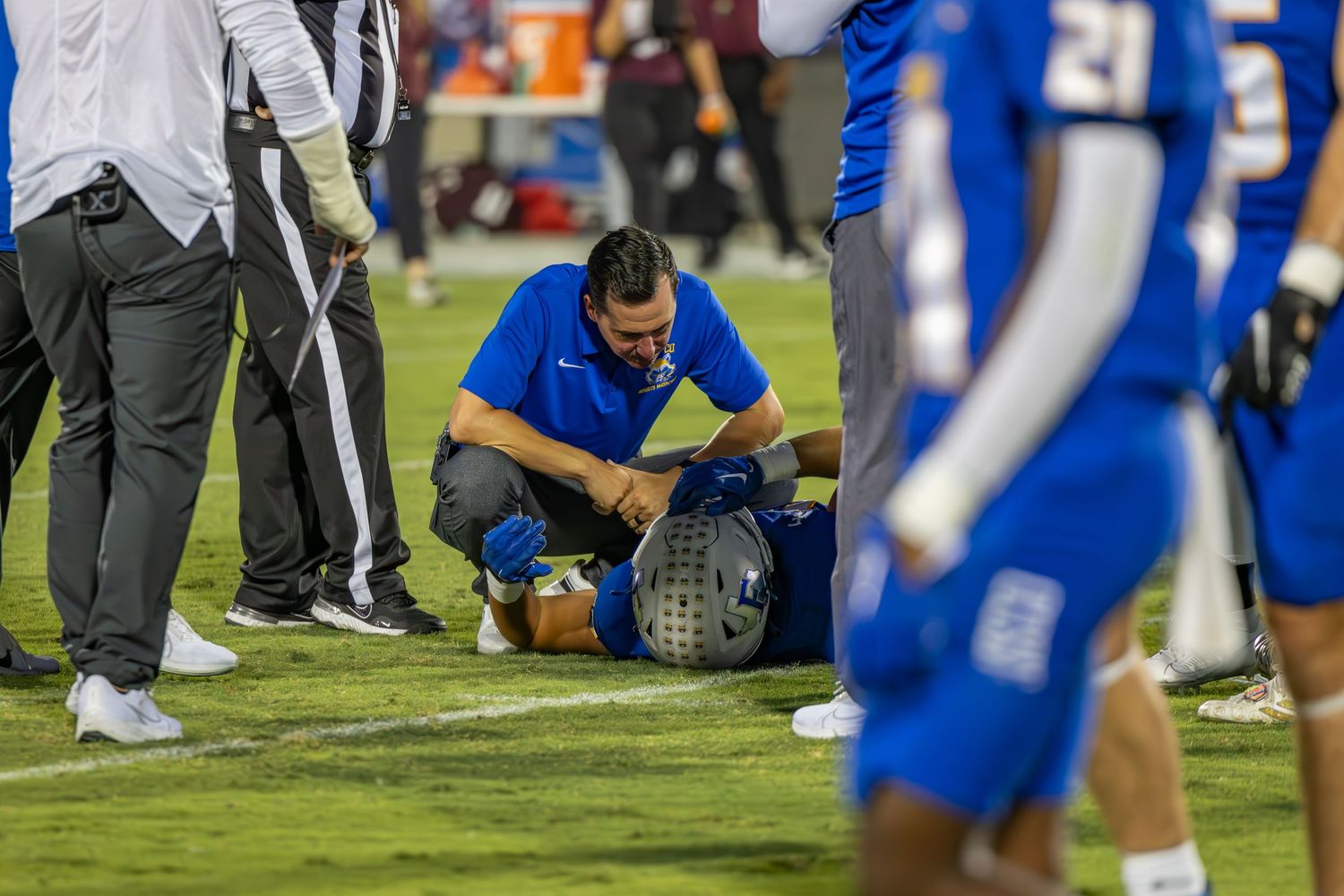
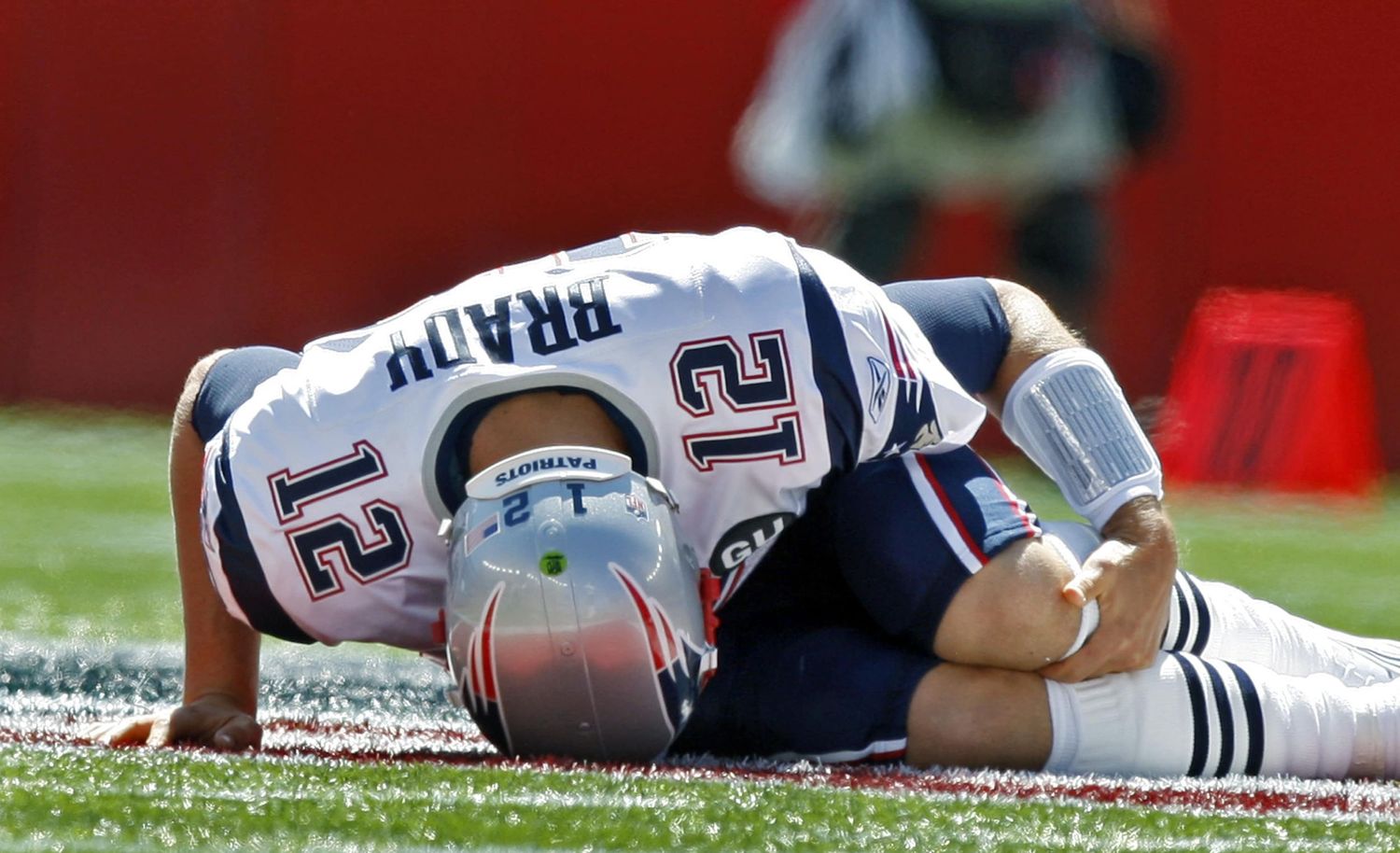
It can tear or snap in both contact and non contact sports.
- Contact Sports
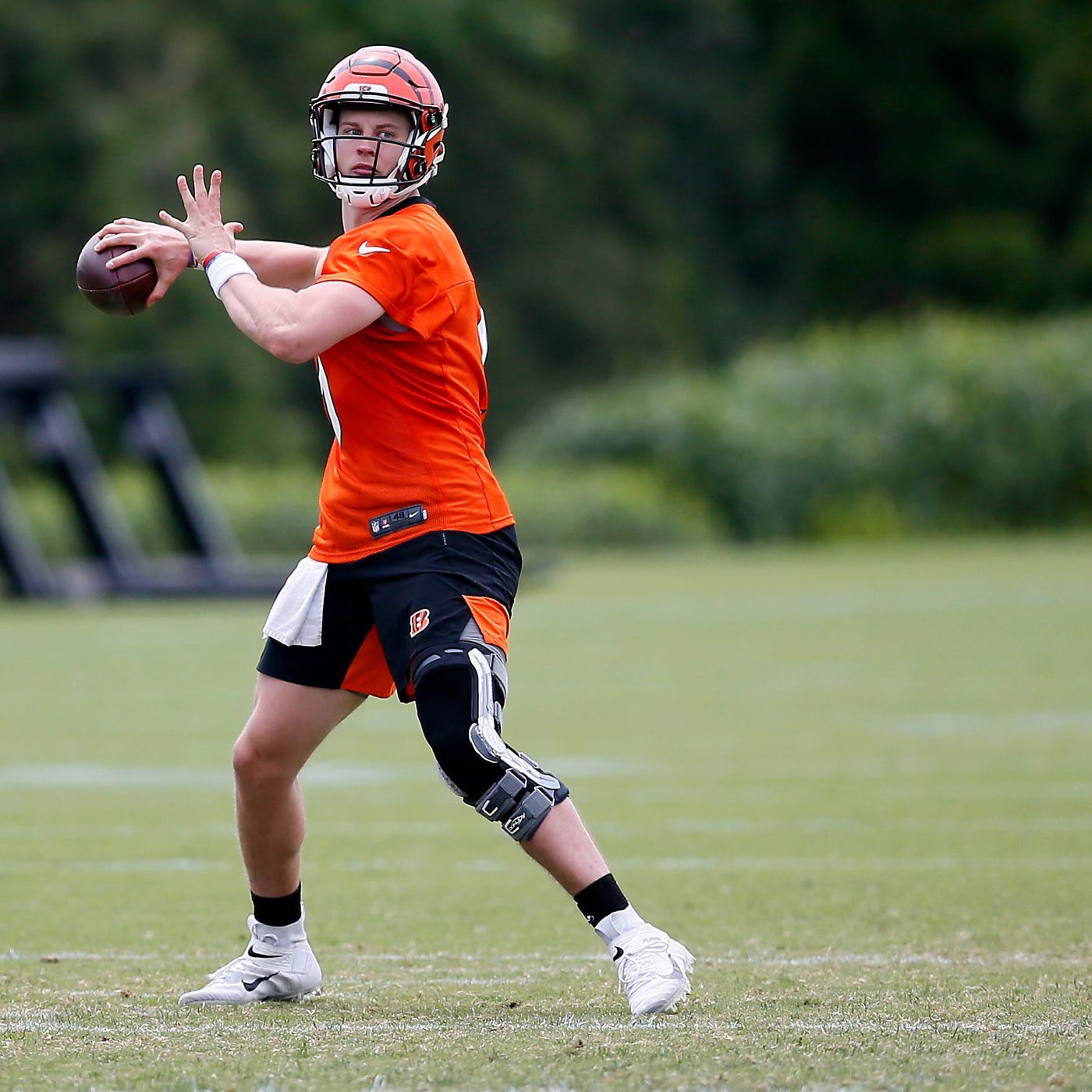
- Common in Football when another athlete lands on your knee.
- Non Contact Sports
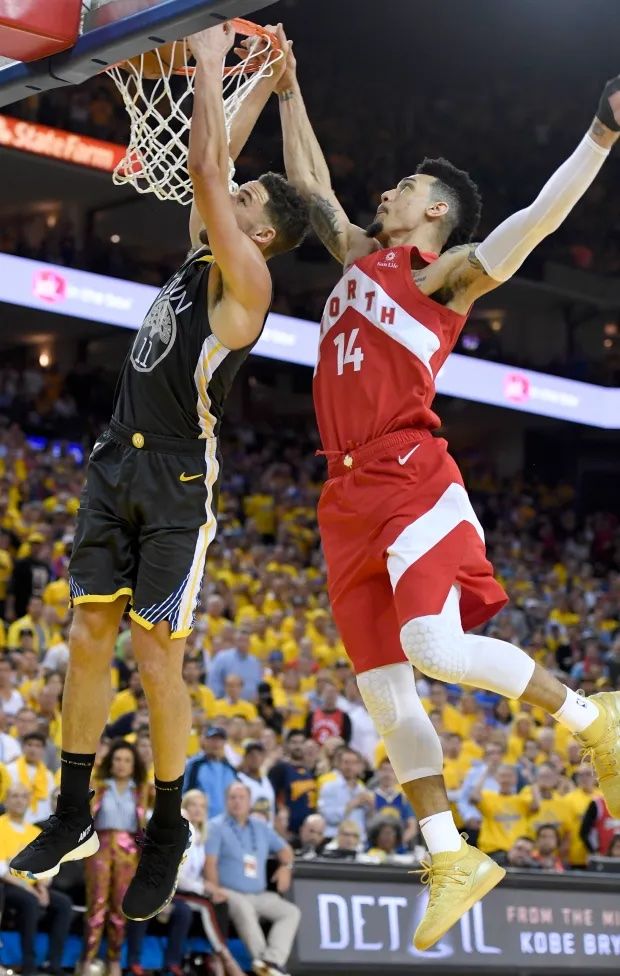
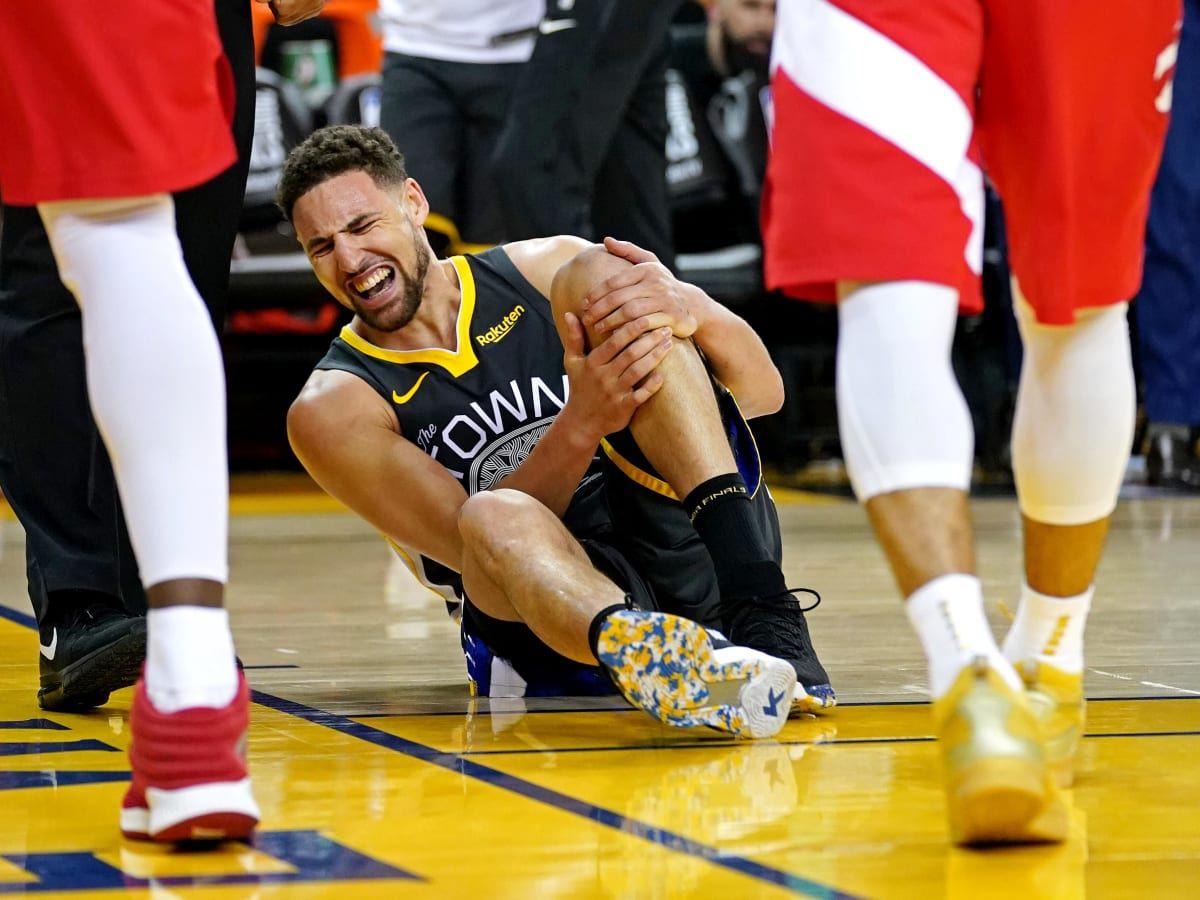
- Common in Basketball when you jump and land on your knee, This causes you to twist and snap your ACL.
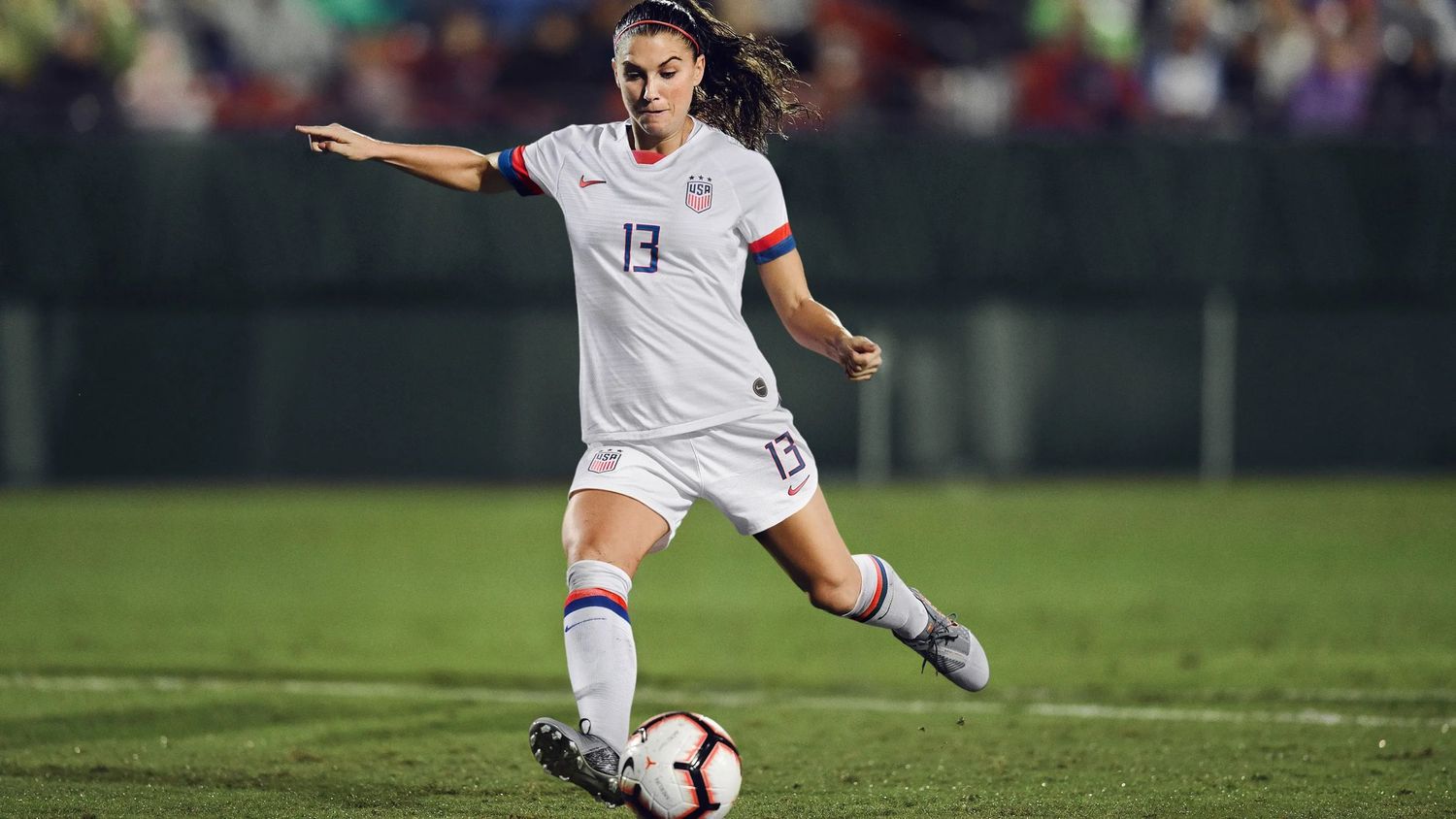
- Common in Soccer when you turn or pivot on your knee really fast. This also causes you to twist and snap your ACL.
What Can Increase Your Risk of ACL Injury?


1. Poor Landing Mechanics
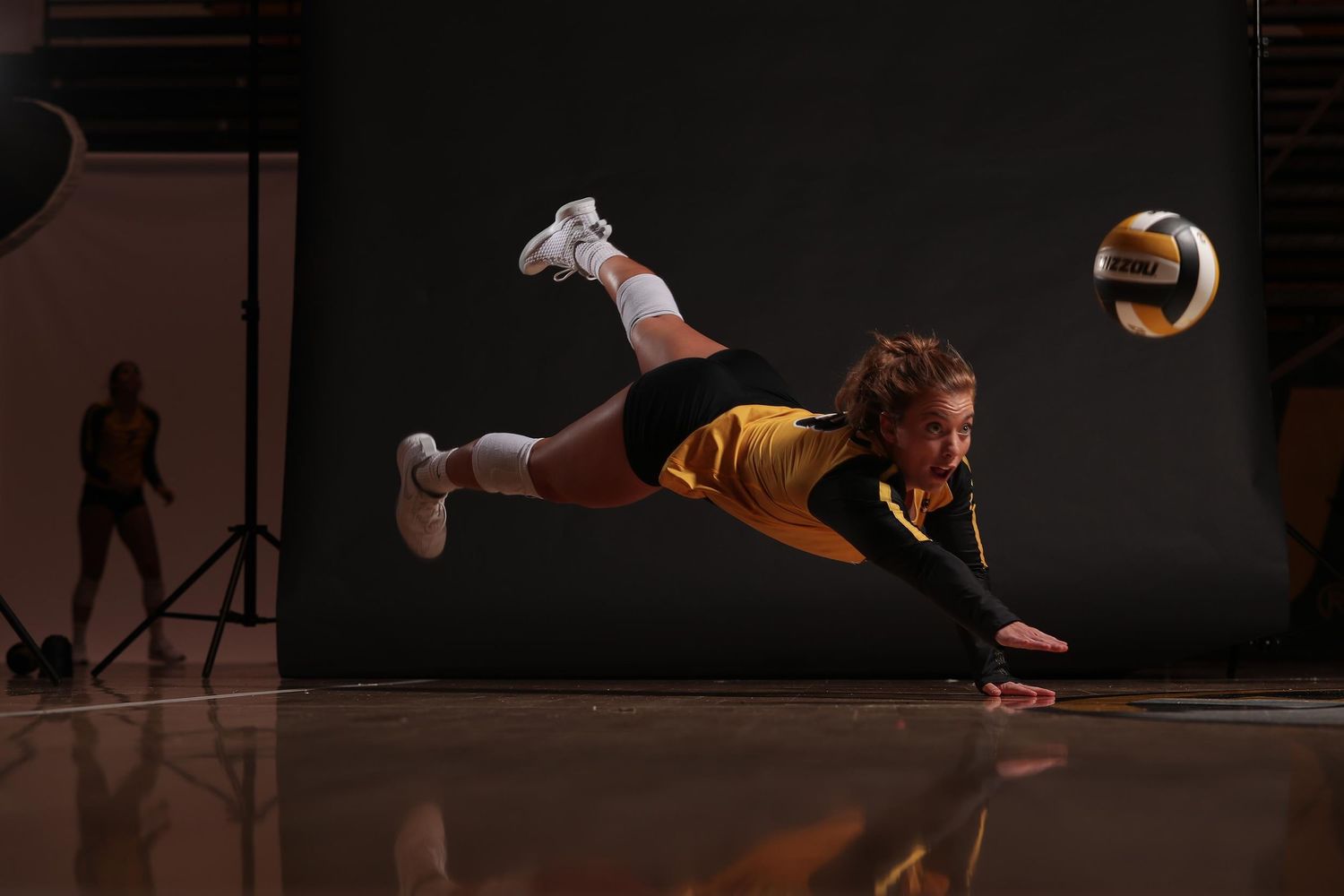
Female athletes tend to land with their knees in loose state increasing risk. Many athletes also jump and have lateral trunk flexion (which is bending their side to bring shoulder closer to hip). This causes one knee to land with more force from impact increasing their risk.
2. Overuse and Previous Injury
Especially in athletes that only play one sport year round, overuse injuries caused by constantly using the same muscles can cause fatigue and injury while playing. Previous ACL injuries can also increase athletes risk of re-injury and risk of injuring their other ACL. This is because many athletes overcompensate on their uninjured knee when returning to play.
3. Female Athletes
- Anatomy --> Wider Pelvis - Causes more stress and reliance on hip muscles to help stabilize the knee
- Weaker Hip Abductor Muscles - not as strong or trained, making it harder to stabilize their knee.
4. Weak Quadricep and Hip Muscles
Weak Hip Abductor Muscles - If hip muscles are significantly smaller it makes it more difficult for the hip to stabilize the knee.
Weak Quadricep Muscles - Jumping and landing require extensive quadricep strength which contracts to stabilize the knee. It works together with knee flexion which extends the angle of your knee.. Lack of strength and flexion can increase risk.
5. Genetic Predisposition
Athletes who have a family history of torn ACL's are 70% more likely to also tear their ACL. This is because of genetic heritable factors, like biomechanics, anatomy, and neuromuscular traits. Female athletes natural anatomy and build of their knee increase their risk.
3. Hormones - cause females ligaments to be looser causing more risk of tearing their ACL
4. Landing Mechanics - Female athletes tend to land with their knees and legs in a loose hypermobile state compared to male athletes who tend to land with their legs straight.
Surgical Treatments
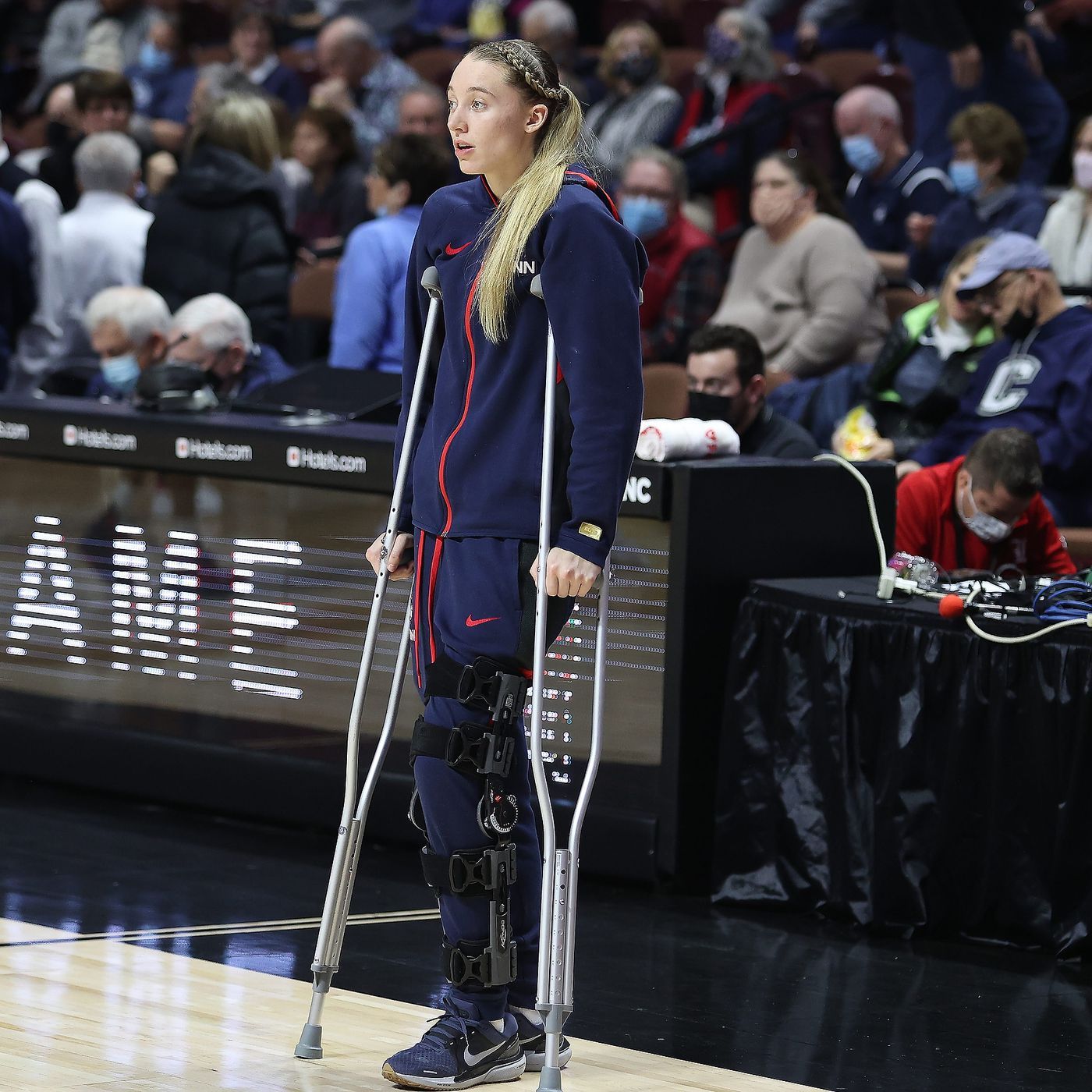
Orthopedic Sports Medicine Surgeons recommend that the athletes who should receive ACL Reconstruction Surgery are
- Young athletes
- Athletes playing at higher level or high intensity sports
- Athletes who want to return to performance at pre-injury level faster and with less risk
If they do not fix their knee surgically and return to play they risk tearing other ligaments in their knee especially their meniscus.
Nonsurgical Treatments
Orthopedic Sports Medicine Surgeons recommend that the athletes who do not need to do surgery are
- Older people who no longer play sports or are less active
- Many runners do not turn on their knee so they delay surgery until the end of their season and keep playing on their knee
- Physical Therapy in these cases are key to help reduce swelling and prevent other injuries.
- Athletes can wear a knee brace while playing as well.
Types of Treatments after an ACL Injury
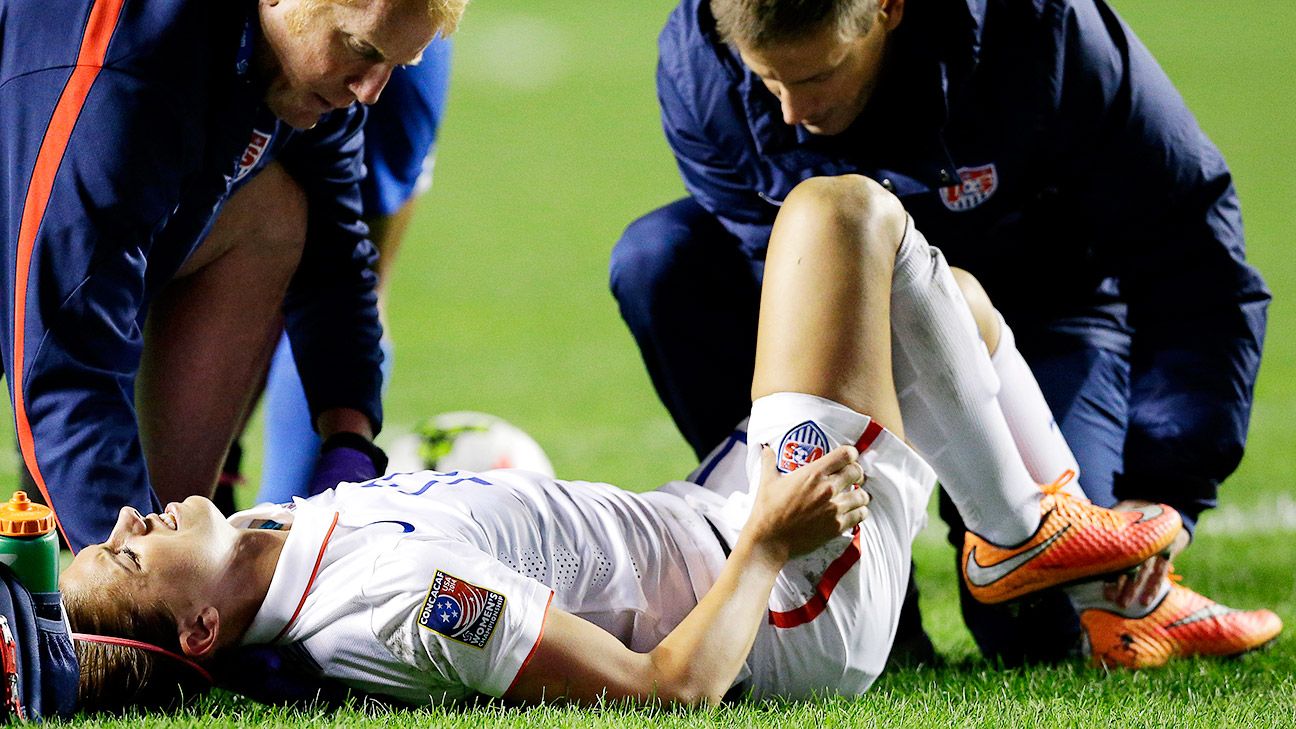
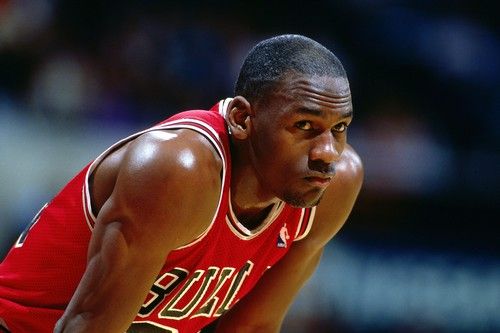
“My body could stand the crutches but my mind couldn't stand the sideline.”
Michael Jordan
Basketball Player
6x NBA Champion
5x MVP

Psychological Impact
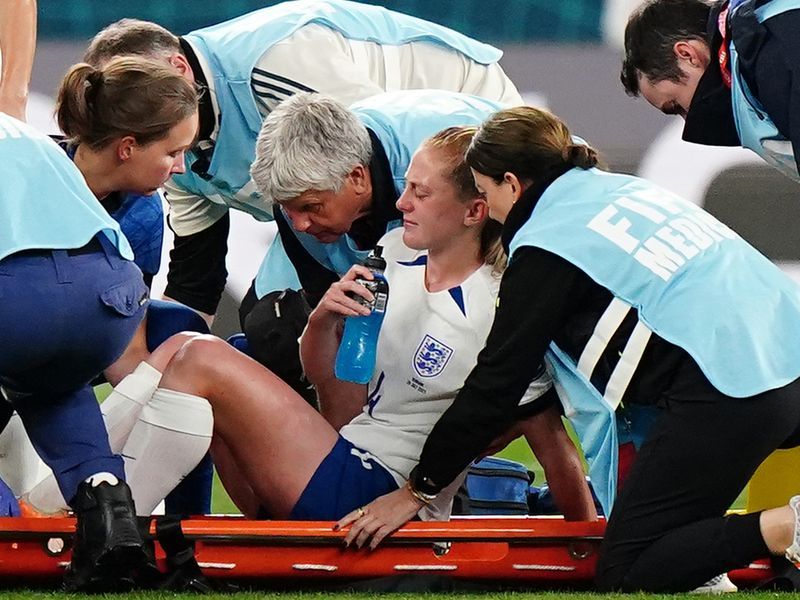
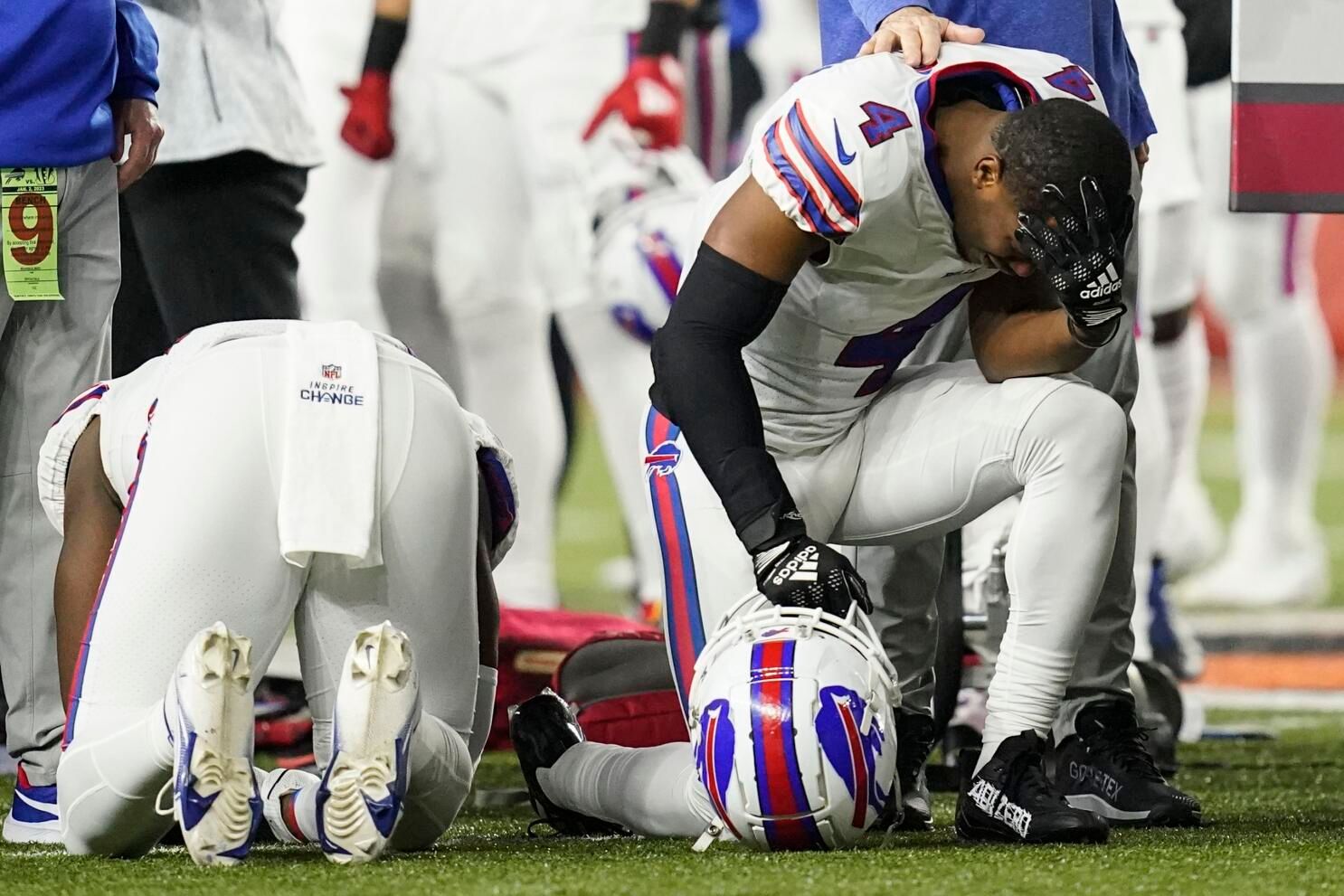
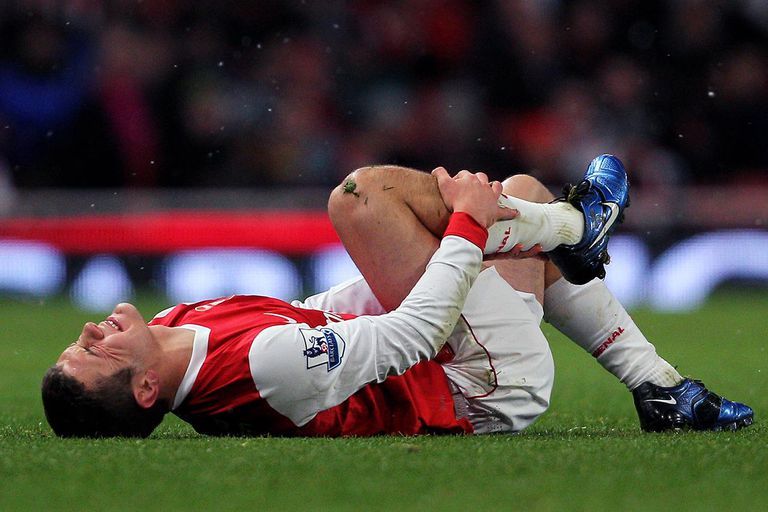
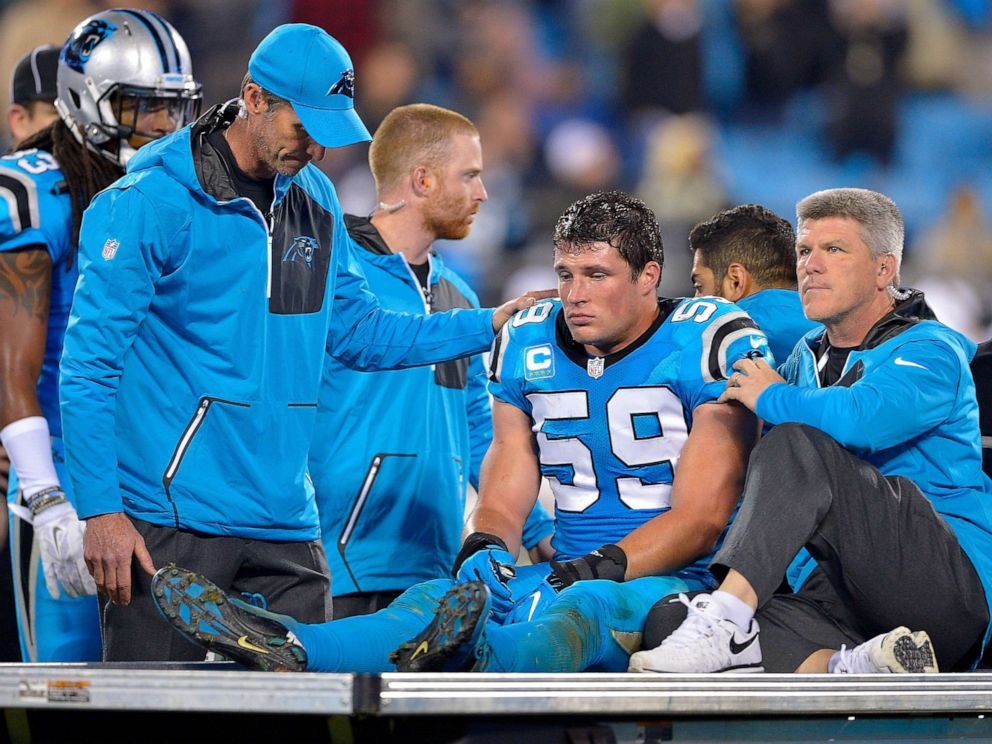
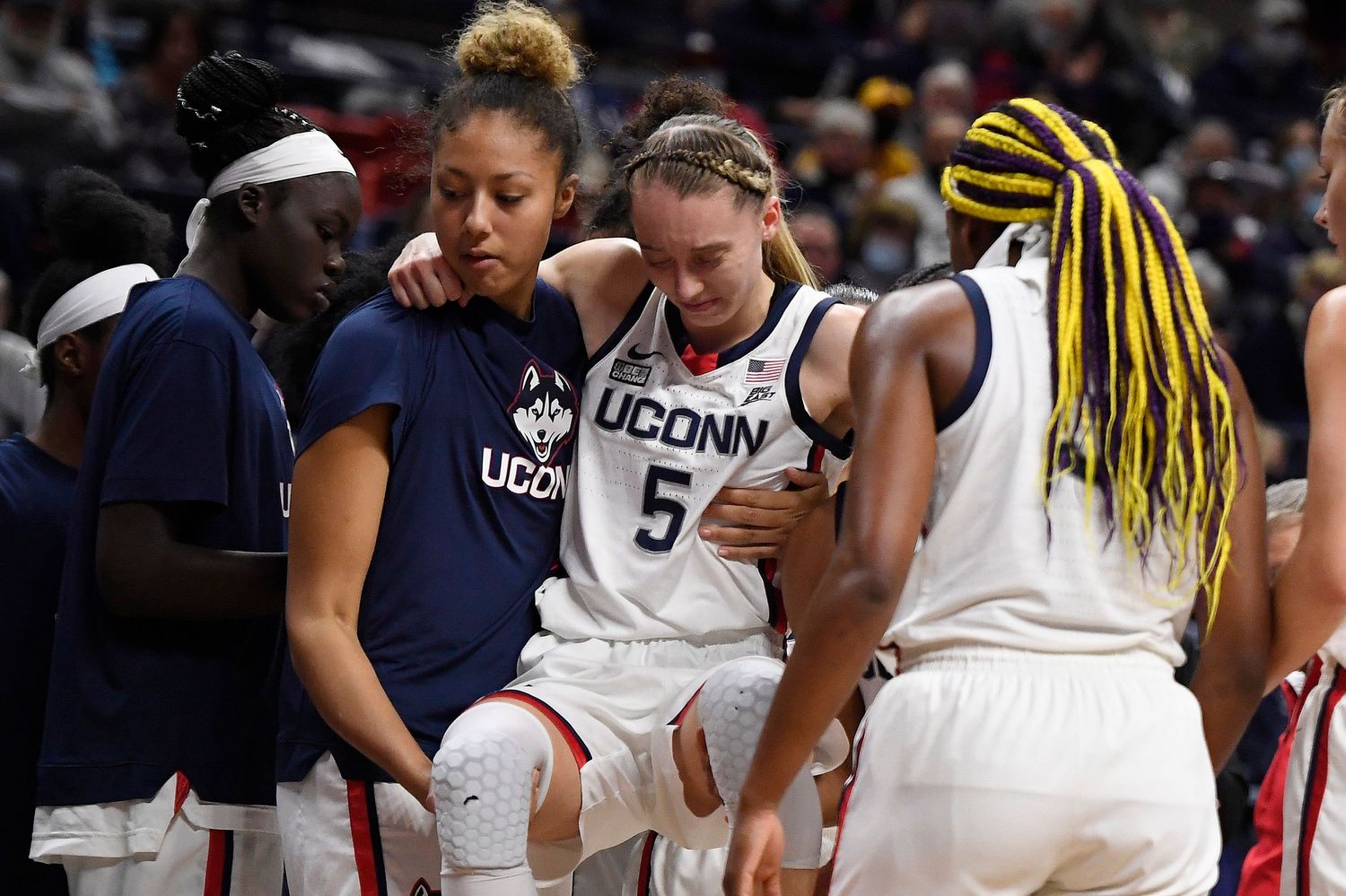
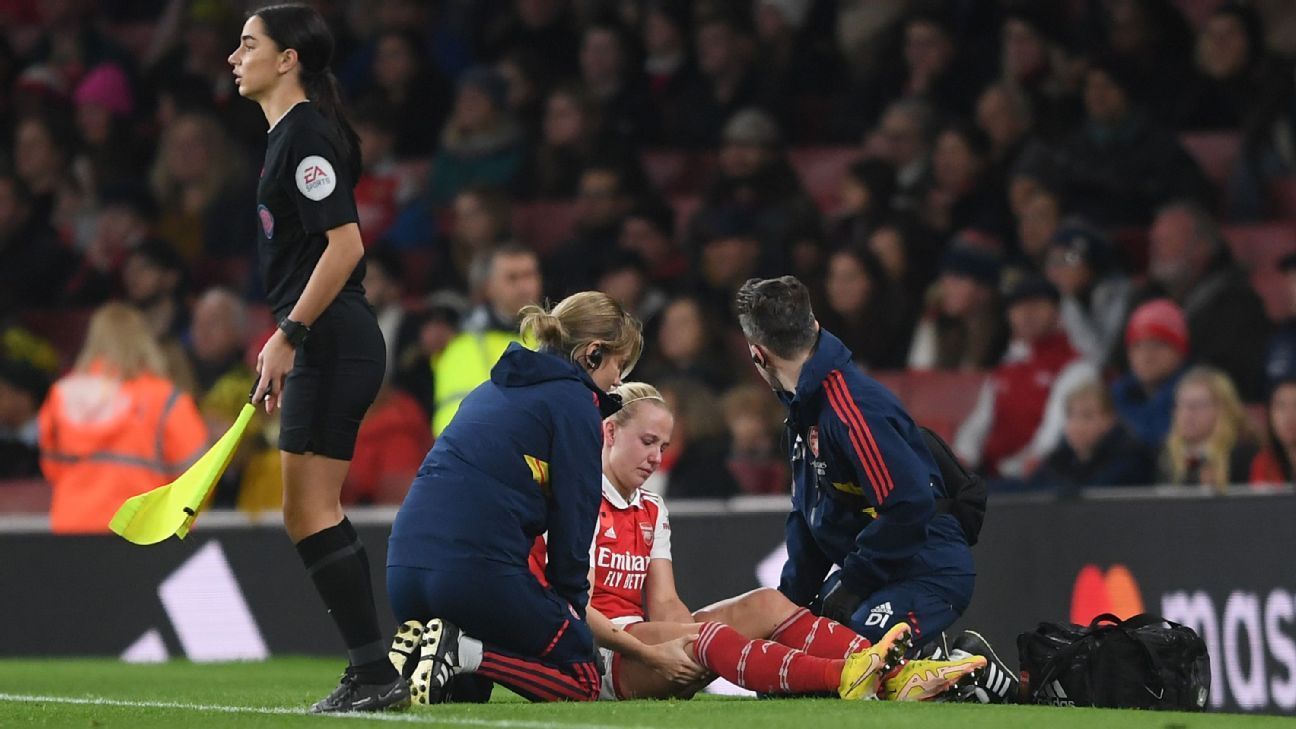
Sports are a big part of many athletes' lives and injuries are detrimental not just because of the physical pain, but also the psychological pain of not being able to play.
Injuries can disrupt all aspects of athletes’ lives including:
- Their sports career/future
- Social life (mostly in young athletes)
- Their athletic identity.- when an athlete determines their self worth or self perception based on their athletic ability/performance
When an athlete can no longer play and has so much more free time, it is difficult to feel successful and confident. This is why there is a sense of urgency in helping athletes return to play, however never at the expense of recovery time and proper rehabilitation.
Three types of fears or psychological factors:
- Fear of re-injury
- Inability to return to sport and perform at the same level pre-injury
- Fear of lifelong debilitating symptoms that could occur
ACL-RSI test, (ACL-Return to Sport after Injury) - measures the athletes confidence in performance, emotions, and psychological readiness to play.
Source of fear includes knee instability resulting in subluxations (giving-way) and thus loss of confidence in one's performance.
High levels of fear after an injury decreases the athletes odds of advancing in rehabilitation and eventually returning to their sport
but there is still HOPE
To ensure a successful return to play for athletes is to be very intentional with rehabilitation.
Patients who completed 6 months of rehabilitation incorporating jumping and agility tasks were almost 8 times more likely to return to play again than athletes who did not follow rehab.
Athletes start PT the day after surgery. This is where physical therapists help athletes build their confidence in their knee. Athletes strengthen their muscles again and prove to themselves they can play again and do all the activities. They do this by physically practice jumping and cutting in therapy where they have support and help.
80% of athletes returned to their sport
ACL Reconstruction Grafts
01. Autografts
A graft created by using bones and parts from the athlete's own body. Usually preferred over allografts but has increased risk of infection.
VS
02. Allografts
A graft taken from a cadaver and inserted into the athletes body. This has no doner site morbidity, which is when the athlete loses something from themselves or their bones in order to fix another part of their leg, their ACL.
Advantages and Disadvantages
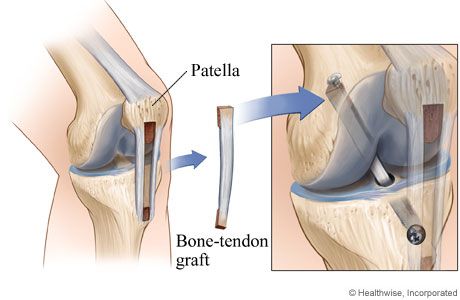
Advantages:
Can handle a greater maximum load
Lower re-tear rate
faster healing time
better knee stability.
Disadvantages:
Higher rate of anterior knee and pain while kneeling
Increased osteoarthritis post surgery
Knee extension deficits which is key for jumping, landing, moving, and preventing future re-injury.
This graft is usually a better option for young, active, and professional athletes, due to the higher maximum load strength, lower re-tear rate, and better knee stability.
Patella Tendon Autograft
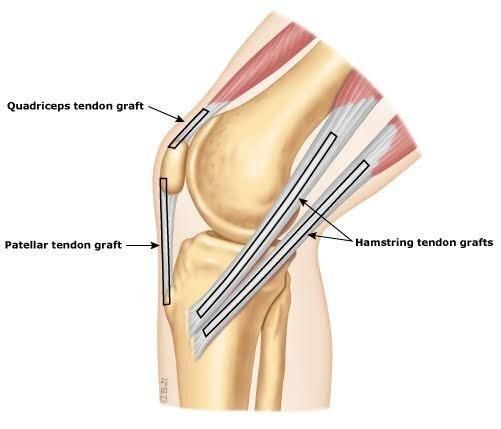
Advantages:
Smaller incision = better cosmetics
Can handle medium load
Faster hamstring strength recovery time
Disadvantages:
Higher rate of ACL tunnel widening
Increased delay in knee flexor extensions and weakness
Hamstring Autograft
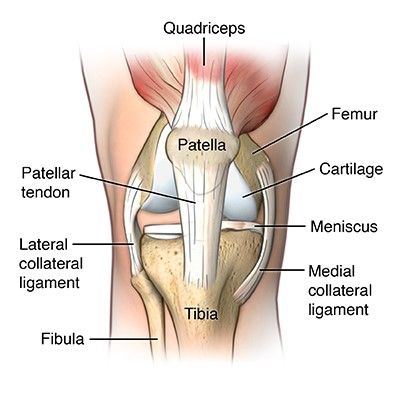
Advantages:
Can handle a greatest maximum load
Stronger
Lower chance of infection
No pain when kneeling
Maintains majority of quadricep strength
Disadvantages:
Relatively new and less experience or research about its long term effects
Less training and practice in using this graft
Delayed quadricep muscle recovery
Quadricep Autograft
REHABILITATION AND PREVENTION

Muscle Training
Cross Training
Jump Biomechanics Training
In order to prevent ACL Injuries athletes need to work on strengthening their quadricep muscles and hip abductor muscles. Both of these help stabilize the athletes knee and prevent injury.
Cross training helps athletes prevent overuse injuries because it helps them work different muscles and prevent muscles fatigue and weakness.
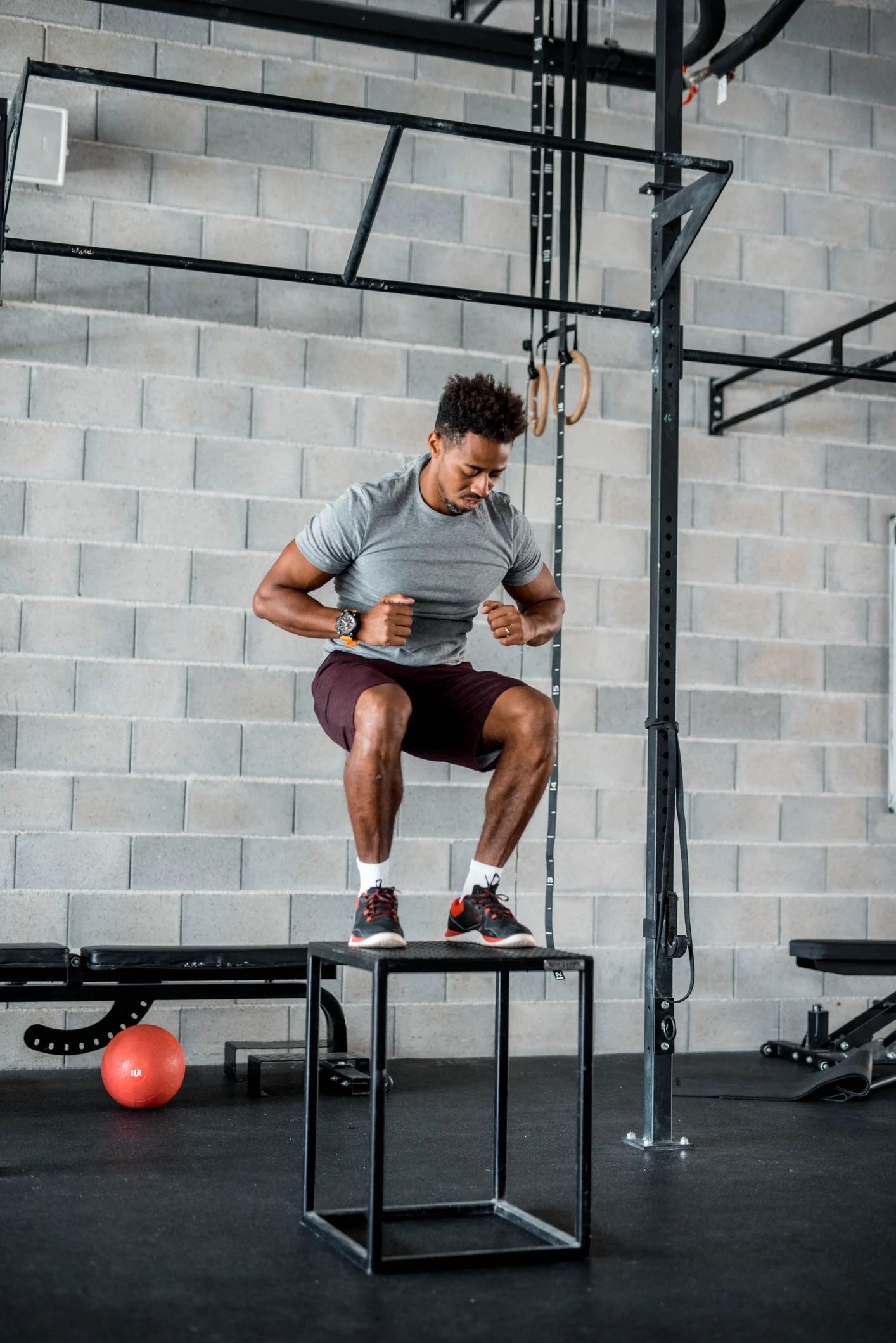
Jumping biomechanics teach athletes how to jump and land on their knees properly and equally. Many high schools implement this program to teach their athletes proper technique especially when getting hit in the air like in basketball. They emphasize the importance of not landing on one knee unbalanced.
ACL Diagnostic Tests
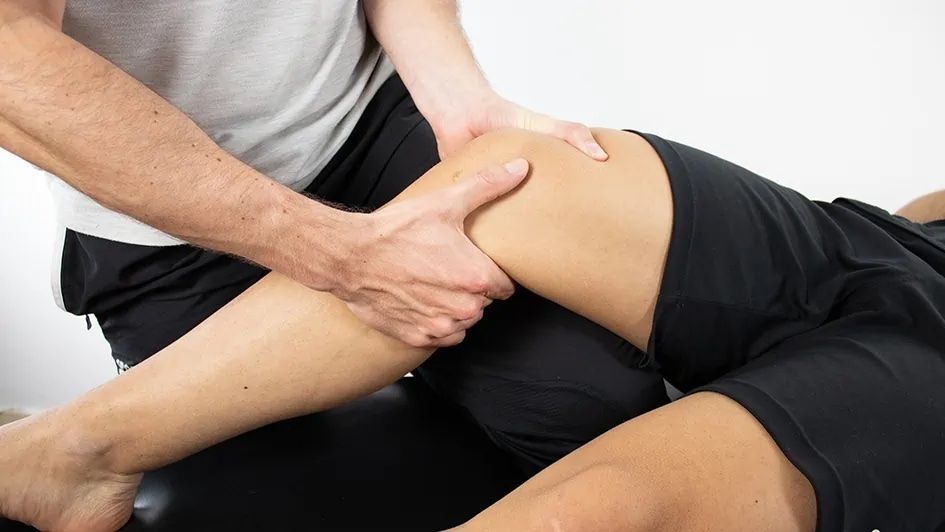
Lachman Test
Diagnose if an athlete has torn their ACL by holding the tibia bending and pushing the athletes knee anteriorly. Not very painful but is beneficial to preform when the athlete is asleep because their muscles are more relaxed.
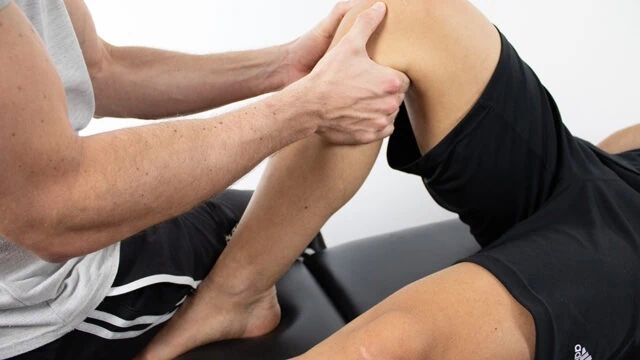
Anterior Drawer Test
Diagnose if an athlete has torn their ACL by pulling the knee anteriorly then posteriorly looking for solid endpoints and no laxity. Not very painful but is beneficial to preform when the athlete is asleep because their muscles are more relaxed.
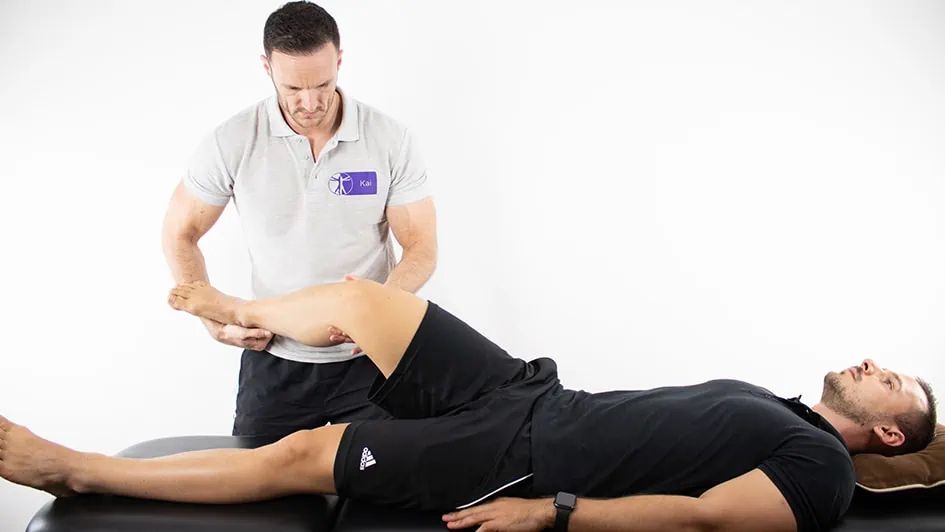
Pivot Shift Test
The Pivot Shift Test is a more difficult test that tries to simulate the movement the athlete went through when they tore their ACL by rotating their knee. As a result it can be painful and usually doctors test it when the athlete is under anesthesia.
Return to Sport Testing
Hop Tests
1. Single Leg Hop Test - Goal is to jump as far as possible on each leg and stick the landing.
Muscle Strength
1. Quadricep Strength and Hip Strength- These muscles help stabilize the knee and must be strong in order to return to play and prevent risk of re-injury
2. Symmetry - Force plate analysis tests can show what happens when an athlete jumps. Single leg squats and single leg jumps can show if the athlete overcompensates on one knee more than the other. This is key because in rehab it is very important for the athletes to have symmetry in their muscles strength in their legs.
Psychological
1. ACL-RSI Test - This test measures the athletes psychological readiness and confidence to return to play and athletes must pass this with a score of 8/12 or more to RTS.
1. Single Leg Hop Test - Athletes should pass these return to play tests with less than a 10% difference in the strength, performance, and success rate between their uninjured knee and injured knee. These tests use force plates to determine if an athlete has symmetry in their legs and whether or not they overcompensate on one leg. This is important because if they do it is important to recognize and correct it because it increases their risk of re-injury.

2. Triple Hop Test - Goal is to hop three times as far as possible on the same leg and stick the landing.
3. Crossover Triple Hop Test - Goal is to hop three times as far as possible on the same leg while alternatively crossing over a line and stick the landing.
4. Six Meter Timed Hop Test - Goal is to hop as fast as possible on the same leg for six meters